Ô°ÇøÒùÂÒ Urban Ageing Research Group recognised with national Team Achievement Award
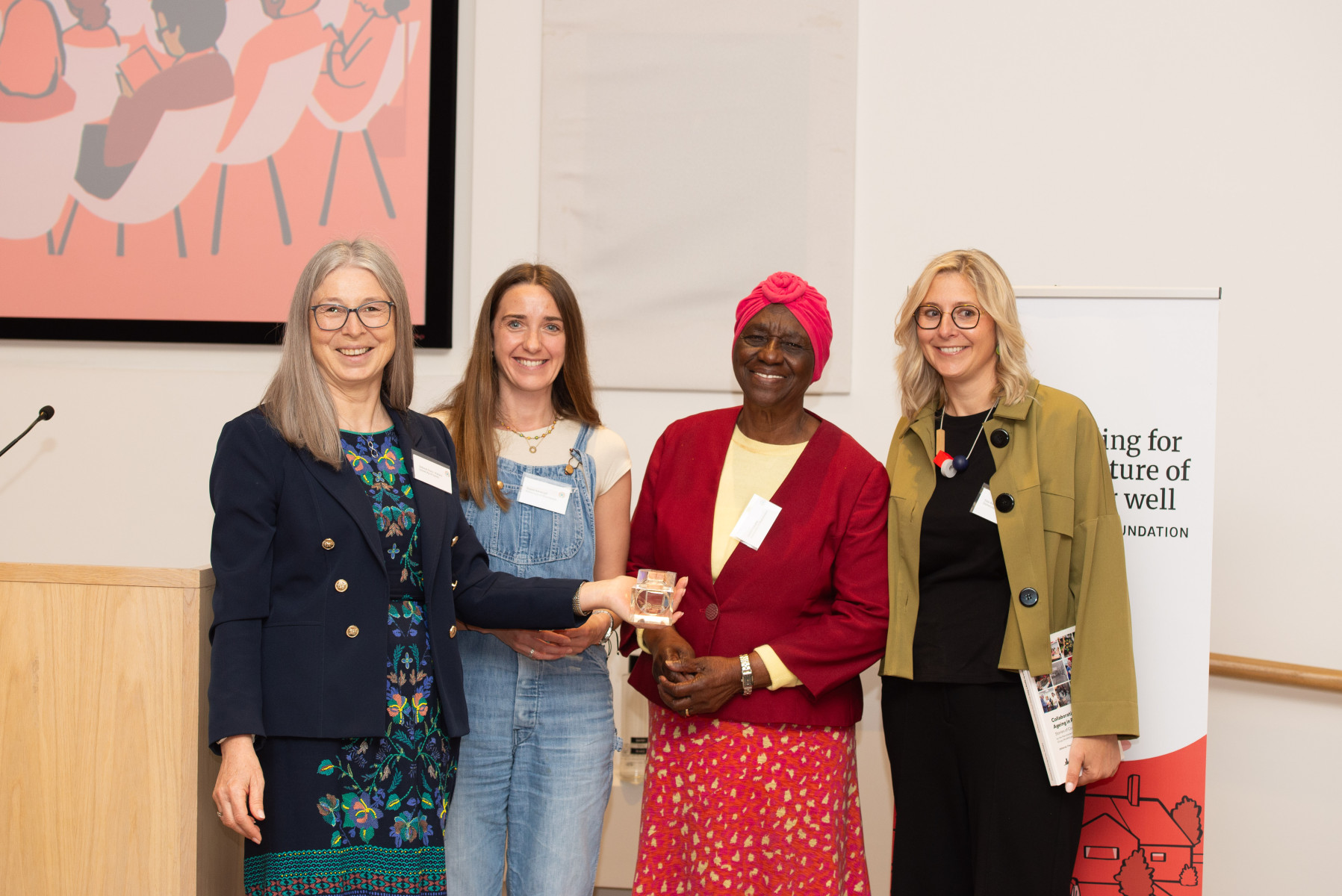
The Ô°ÇøÒùÂÒ Urban Ageing Research Group (MUARG) at The University of Ô°ÇøÒùÂÒ has been recognised with a Team Achievement Excellence Award at the 2026 Vivensa Academy Excellence Awards, celebrating a decade of interdisciplinary, co-produced research that is helping to shape more inclusive, age‑friendly cities.
Led by Professor Tine Buffel, MUARG brings together researchers from across social sciences, architecture, geography, public health and the arts to explore the relationship between population ageing and urban change. Central to its work is a commitment to co‑production – working in long‑term partnership with older people, community organisations, policymakers and practitioners to ensure research is grounded in lived experience and leads to real‑world change.
Professor Buffel said the award recognises the collective effort that underpins MUARG’s work:
MUARG has always been about bringing people together — across disciplines, communities, policy and sectors — to work towards a shared goal. This award reflects the contribution of everyone who has been involved in our projects and co‑production activities over the years. It belongs to a community of people, not just a research group.
Research driven by partnership and lived experience
MUARG’s work is shaped by long‑standing collaborations with partners across Greater Ô°ÇøÒùÂÒ and beyond, including local and regional government, third‑sector organisations and older people themselves. A key part of this approach is MUARG’s Older People’s Forum, a diverse group of residents from across Greater Ô°ÇøÒùÂÒ who help to set research priorities and guide activity.
Elaine Unegbu, Chair of the Greater Ô°ÇøÒùÂÒ Older People’s Network and a longstanding MUARG co‑researcher, said:
I was brought in as a co‑researcher and felt real ownership of the work because I was part of it. Being involved in research that helps improve how people age in place — and seeing that make a difference locally — has been incredibly positive.
Reflecting the University’s commitment to social responsibility, MUARG’s work focuses on tackling inequalities in later life and supporting people to age well in their communities. Projects span creative and participatory methods, from collaborative filmmaking and comics co‑created with older refugees and asylum seekers, to the co‑design of age‑friendly neighbourhoods and arts‑based interventions including exhibitions, films and zines.
Recognising collaboration across Greater Ô°ÇøÒùÂÒ
MUARG’s partnerships across the city‑region were highlighted by Paul McGarry, Head of the Greater Ô°ÇøÒùÂÒ Ageing Hub and Assistant Director for Public Service Reform at the Greater Ô°ÇøÒùÂÒ Combined Authority, who represented the team during the award process:
Working with MUARG reflects the kind of ecosystem we’ve been building in Greater Ô°ÇøÒùÂÒ for many years — bringing together research, policy and lived experience to support people to age well. This award recognises that shared commitment and strengthens the foundations for taking this work further, in Greater Ô°ÇøÒùÂÒ and beyond.
Niamh Kavanagh, an urban sociologist in the University’s Department of Architecture and a core member of MUARG, added:
MUARG is so much more than a research group. It’s a space of support, challenge and reflection that makes genuinely engaged research possible. Winning this award is a powerful testament to the collective effort involved in working with communities in meaningful, embedded and creative ways.
Celebrating 10 years of MUARG
The award comes at a landmark moment for the group. In April, MUARG celebrates its 10th anniversary with an interactive event in Ô°ÇøÒùÂÒ showcasing the creative, participatory methods that have defined its work over the past decade.
The event will also mark the launch of a new collective publication, Collaborative Research for Ageing in Place: Stories of Co‑Production in Practice, bringing together insights from 18 MUARG projects. The book shares practical learning on co‑producing research in communities shaped by inequality – highlighting partnership, trust‑building and experimentation as essential ingredients for impactful research.
“With this book, we want to be open about what co‑production looks like in practice — the challenges as well as the potential,� said Professor Buffel. “It’s about sharing learning that others can build on.�
Investing in people and future impact
Looking ahead, MUARG hopes to build on this recognition by developing as an international centre of excellence on urban ageing, rooted in Ô°ÇøÒùÂÒ but globally connected. Funding associated with the award will support three priority areas:
- Co‑production and community leadership
- Knowledge exchange and policy engagement
- Team culture, mentoring and capacity‑building
At least half of the funding will be directed towards supporting community leadership, including paid roles for older people as co‑researchers.
Investing in people and relationships is essential,� said Professor Buffel. “Our research only works because of the trust we’ve built over time. Supporting community leadership and co‑production is key to creating research that genuinely improves lives
Find out more: Read MUARG’s publication and learn more about the Ô°ÇøÒùÂÒ Urban Ageing Research Group on their .