Nanjing Hydropolis: Broadening horizons together
The University of Ô°ÇøÒùÂÒ and Southeast University, China jointly ran a 10-day programme exploring Nanjing’s river–lake systems and historic-city conservation.
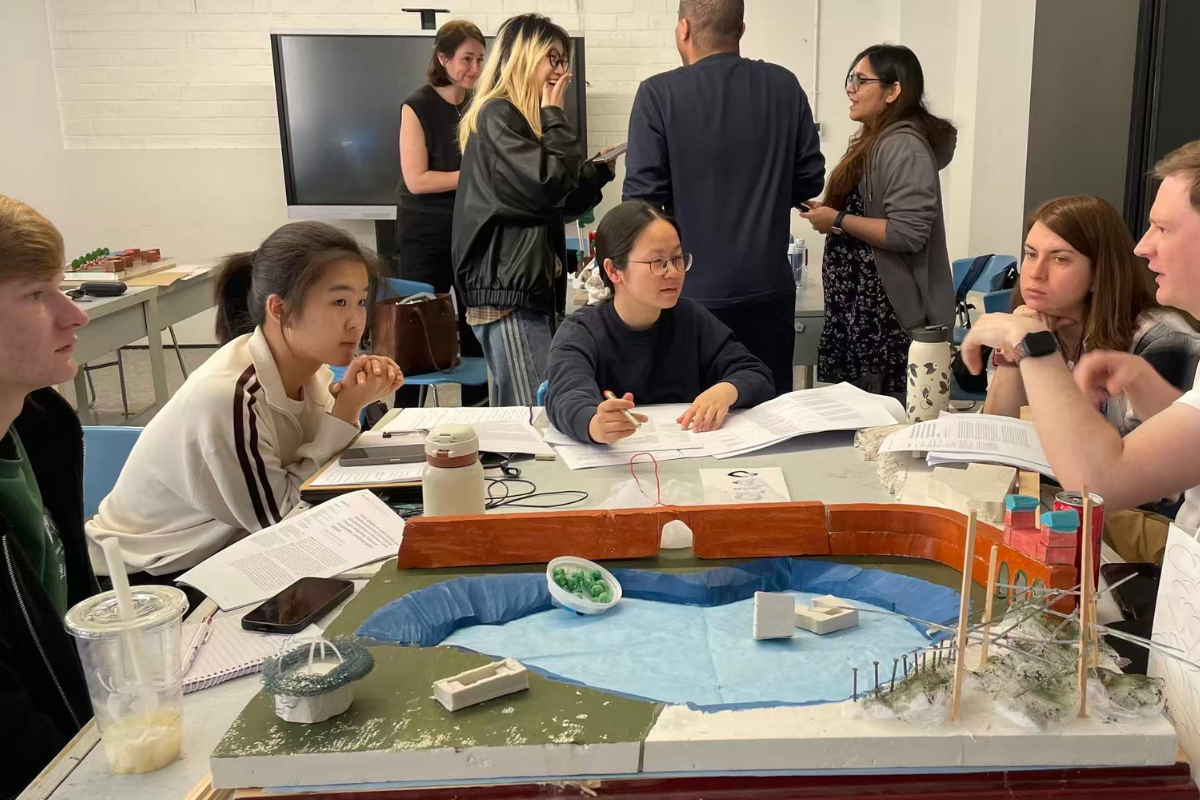
The Nanjing Hydropolis Spring School took place between 22-31 March and was organised by the School of Architecture and The Confucius Institute at the University of Ô°ÇøÒùÂÒ. It aimed to offer an insight into the historic city of Nanjing and people’s life through its water infrastructure to help participants’ understanding of relationships between urban space, ecological processes and social activity.
The programme, which was open to students and recent graduates of the University of Ô°ÇøÒùÂÒ, took 16 participants into the deep ends of water infrastructure in the historic city of Nanjing. Students observed and discussed water infrastructure with planners, designers, government officials and NGOs for an exploration of the relationship between water, the city and its people.
The group was taken to many sites designed by faculty of the hosting institution, Southeast University. This included drainage pump stations on Jiangxin Island, renovation projects on Qinhuai River in Nanjing, Little Qinhuai in Yangzhou and a café on top of the pump station that allows the public access to an important infrastructure of the island. The renovation projects along the Little Qinhua River also provide public spaces like an exhibition hall, a hotel and office buildings.
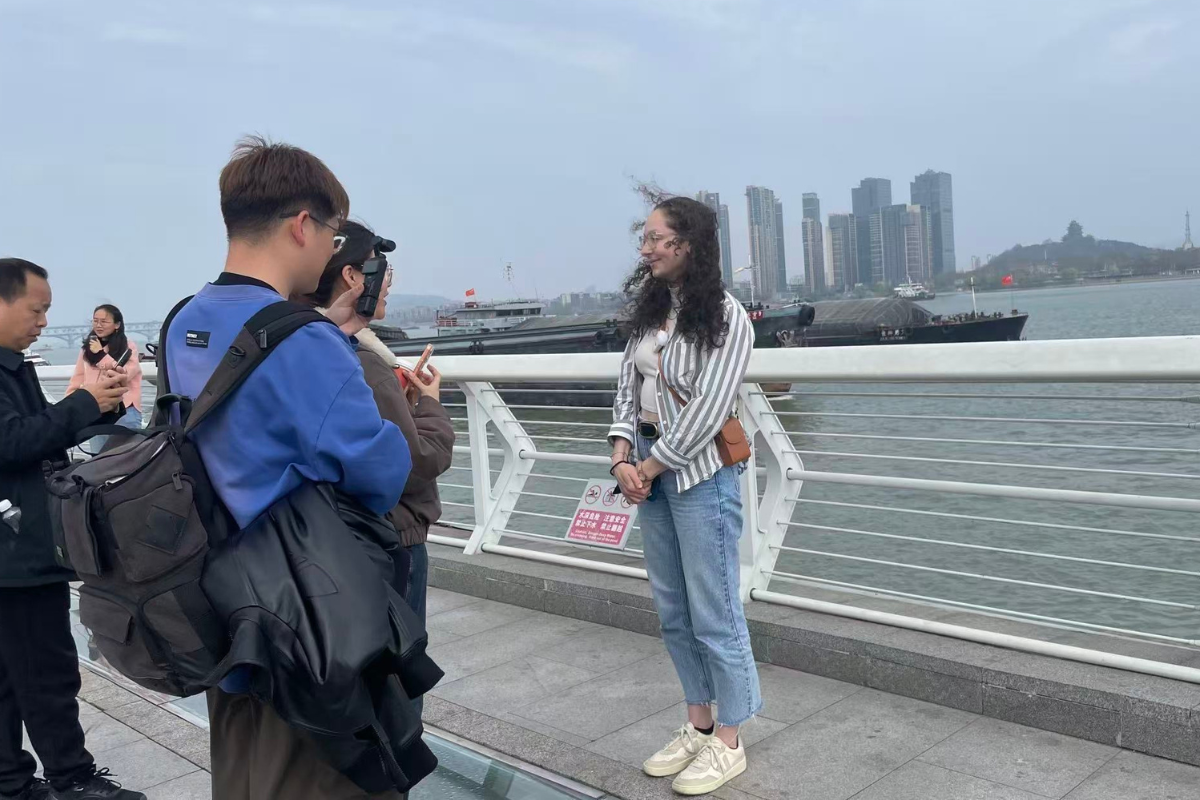
Prior to the site visits, participants had the chance to hear from the designers about their design concepts and the consideration of the historic landscape and eco-system. They also visited ecological sites such as the Apricot Blossom Lake from the recycled water from Nanjing Iron and Steel Works and a small animal farm on-site. The Jiangbei Water Source Heat Pump station uses river water to provide heating and cooling to thousands of households and businesses. Seeing the river dolphins (known as Finless Porpoise) returning to the world’s third largest river, the Yantze, after extinction was the highlight of the trip for many.
Inspired by these innovative projects with the smart design and humanistic approach to water infrastructure, participants, together with their Chinese teammates, created models to reflect their observations and presented their analysis to the expert panel on the final day.
The programme attracted the attention of local media and received coverage in the Nanjing Express and the Nanjing Morning Post – with millions of views on Chinese social media.
Nanjing Hydropolis was funded by , China and the .