University of Ô°ÇøÒùÂÒ supports landmark Russell Group commitment to build healthier communities
The University of Ô°ÇøÒùÂÒ is backing a major new commitment alongside Russell Group universities to build a healthier future for the UK, working in partnership with the NHS, national and local government, industry and the local community.
Announced on Tuesday (24 March), the Russell Group’s 24 leading universities, including The University of Ô°ÇøÒùÂÒ, set out plans to train more than 181,000 students in subjects critical to health and care by 2030 – an increase of more than 15%. This includes doctors, dentists, nurses and midwives delivering frontline care, alongside engineers, social scientists and technology specialists whose expertise is increasingly essential to improving today’s healthcare services.
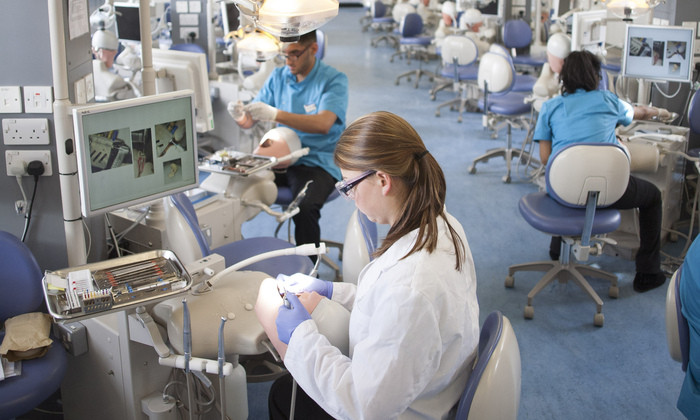
The University of Ô°ÇøÒùÂÒ already educates around 3,000 medical and dentistry students, and Russell Group universities in the North West collectively train over 17,000 people in the skills we need for a healthier future.
The commitment will also support the growth of life sciences companies, helping to bring new treatments, technologies and high-skilled jobs to communities across the country.
While expanding training, universities will also work to remove barriers so that more students from disadvantaged backgrounds can access medical and health careers. This includes expanding initiatives, such as targeted gateway courses, summer schools and mentoring that make health and care careers more open to students from all backgrounds.
At The University of Ô°ÇøÒùÂÒ, the commitment builds on a long-standing focus on widening participation and supporting regional skills needs, particularly across Greater Ô°ÇøÒùÂÒ and the North West.
“It’s about ensuring that the work of our universities translates into meaningful, real-world impact.�
Professor Duncan Ivison, President and Vice-Chancellor of The University of Ô°ÇøÒùÂÒ, who is chairing the Russell Group working group behind the commitment, said: “One thing that distinguishes Russell Group universities – like The University of Ô°ÇøÒùÂÒ â€“ is our unique combination of groundbreaking discovery research and our role in training the health workforce of the future.
“Our commitment is to training 181,000 graduates in health and care-related subjects by 2030, a 15% increase; increasing access for students from all backgrounds to join these vital professions; and supporting the growth of life sciences and innovation to help create high-skilled jobs and attract investment into communities.
“And we’re going to do it in partnership with the NHS and the patients, families, workers, industries and communities we serve. It’s about ensuring that the work of our universities translates into meaningful, real-world impact.
“There is more to do, but this represents an important step forward.�
The University of Ô°ÇøÒùÂÒ recently formed a new partnership with Wigan & Leigh College and the Greater Ô°ÇøÒùÂÒ Colleges network to place PhD researchers into Further Education classrooms, helping to strengthen teaching in priority subjects such as engineering, digital skills and STEM. The programme helps colleges with specialist expertise, while giving postgraduate researchers valuable teaching experience and building stronger links between further and higher education.
Other recent initiatives include hands-on pharmacy workshops and Healthcare Careers Pathway Days, offering students opportunities to meet professionals, visit campus and gain practical advice on applications.
The University also runs , such as Lancashire Access Medics and the , designed to support students from disadvantaged backgrounds into medicine.
While delivering on these commitments, Russell Group universities will for the first time convene a nationwide series of community engagement events.
The University of Ô°ÇøÒùÂÒ will host an in-person roundtable event bringing together partners from across the region to explore the future of the healthcare workforce. It will focus on how The University of Ô°ÇøÒùÂÒ can work with the health ecosystem in Greater Ô°ÇøÒùÂÒ to expand inclusive pathways into health careers and secure a strong and sustainable pipeline of talent for the NHS.